
Each season, I watch every major runway show, filter out the unwearable, and keep only the trends that translate into a real wardrobe. Here are the 5 trends from the Spring/Summer collections that I find both interesting and genuinely wearable — plus one I deliberately left out, and why.
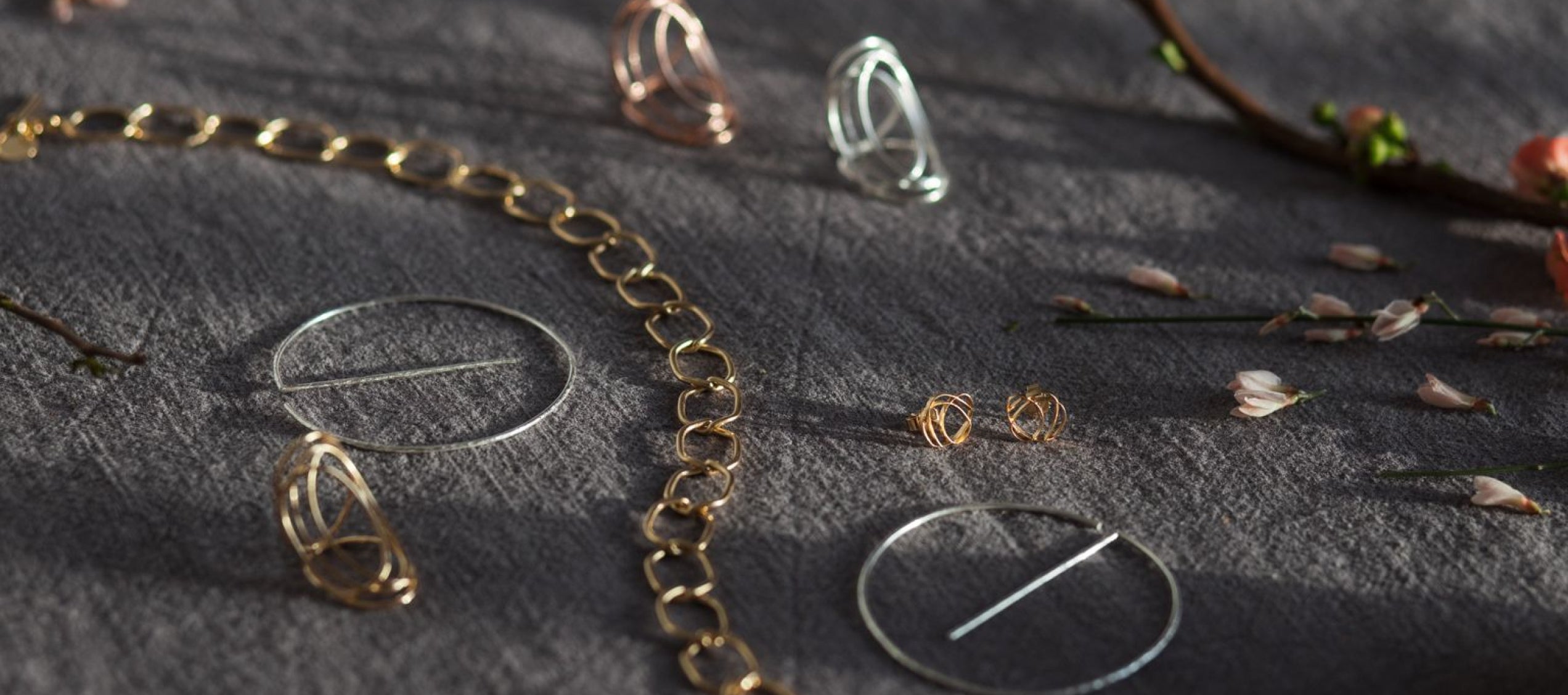
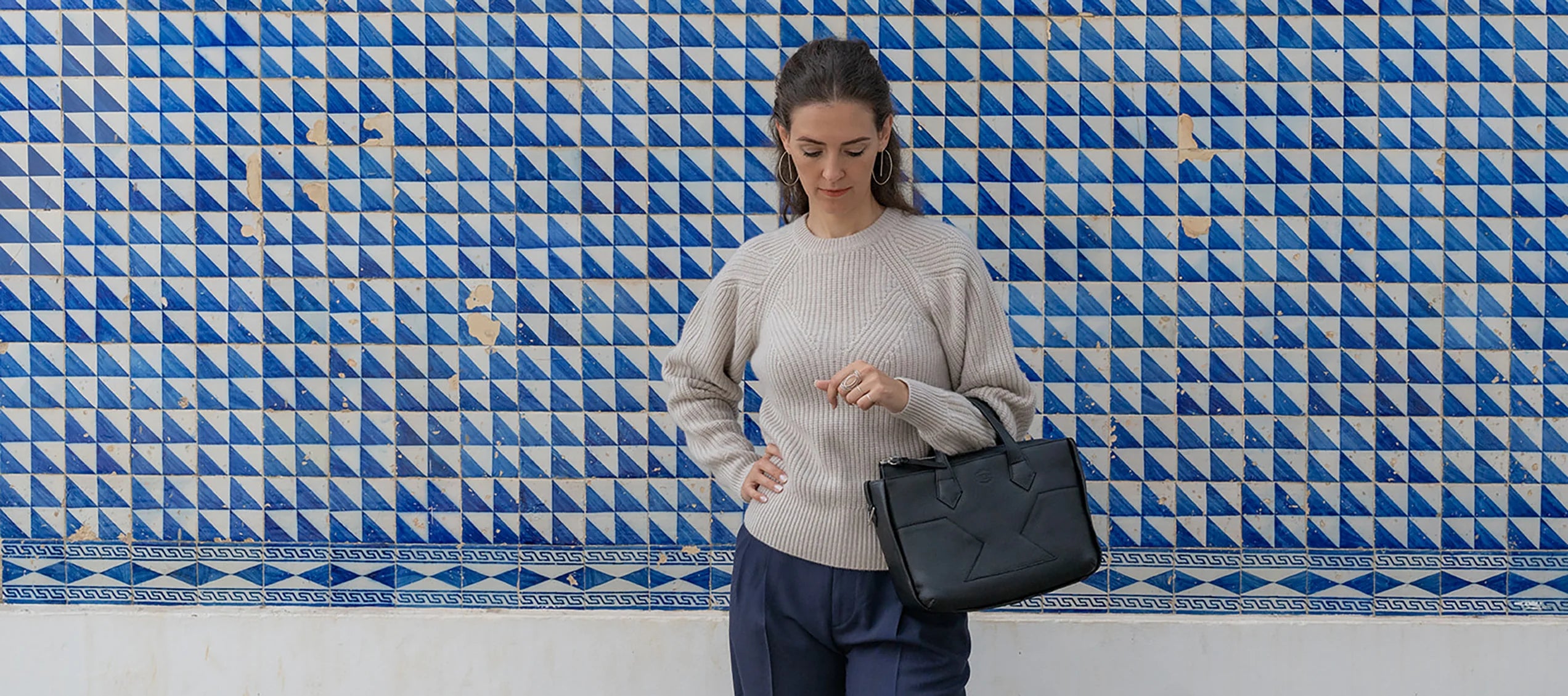
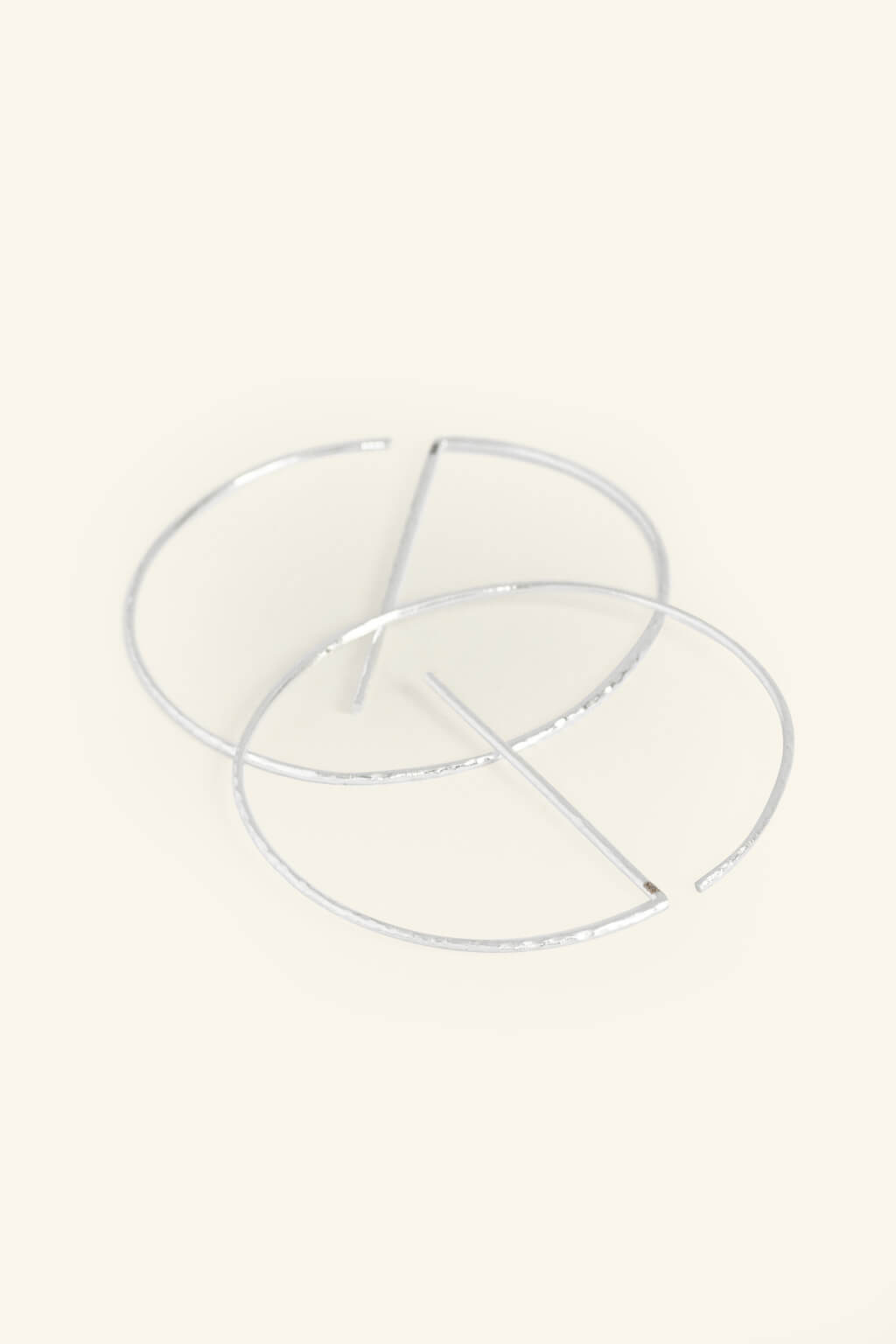
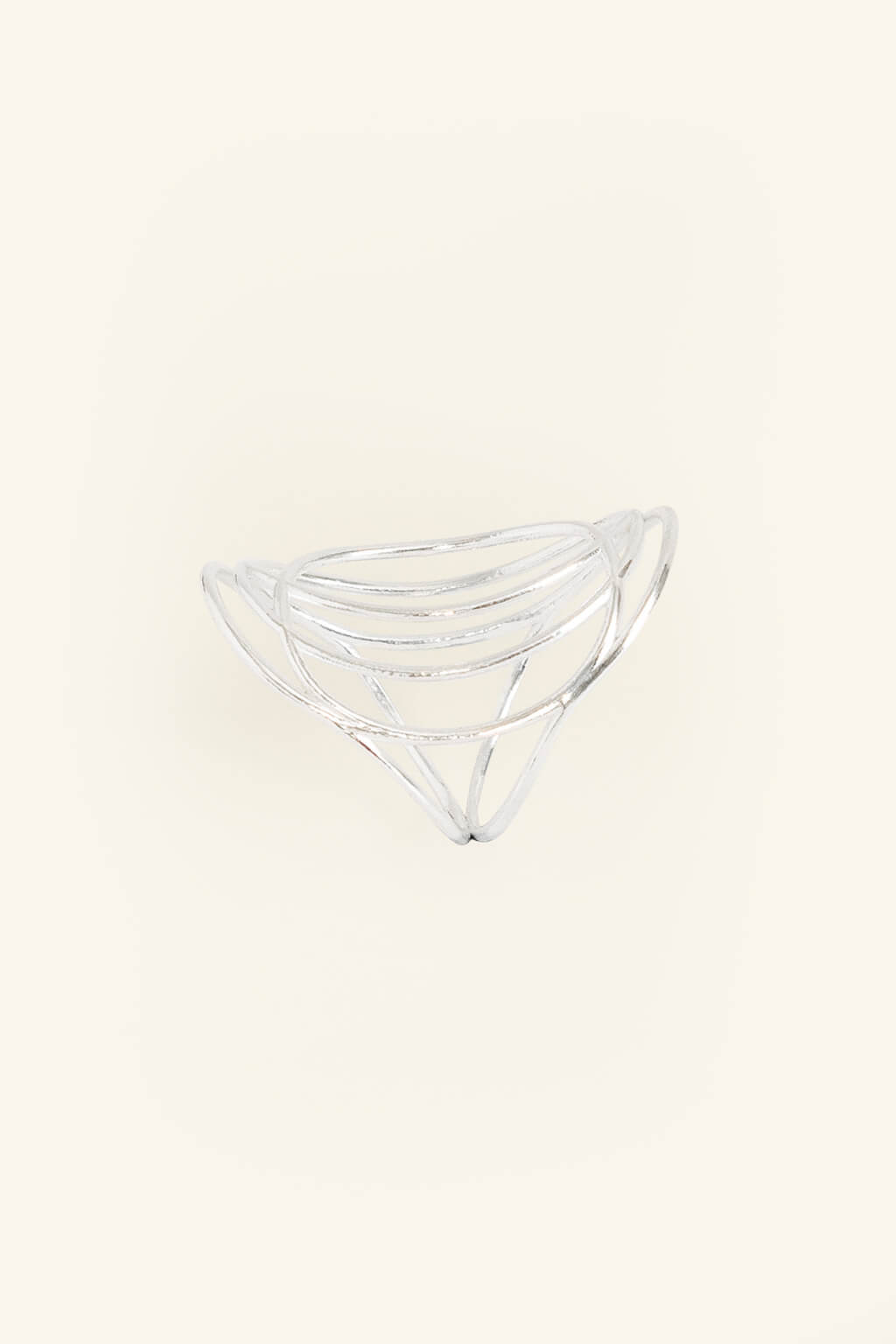
Worn in this video: Perfect Circle Earrings, Ricochet statement ring.
What is the TAILORED DRAPES trend?

Tailored drapes is the crossover between structured tailoring and fluid, draped fabrics. The result: classic garments like blazers, cuffed shirts, or tailored trousers, made in materials that suits would not normally use.
This mix gives the formality of office-appropriate clothes, but with a softness and movement that traditional tailoring does not have.
What it looks like on the runway:
- Michael Kors: the buttoned front of a shirt disappears, replaced by a flowing, draped neckline. The trousers have the color of a classic suit but the relaxed shape of sarouel pants.
- Ferragamo: a blazer with full lapels and pockets, cut in lightweight silk. It looks like a blazer. It moves like a scarf.
- Carven: a shirt with a color-matching draped front panel - whether it is one garment or two layered pieces, the result is striking.
- Céline and McQueen: creative takes on the classic blazer and the classic menswear shirt.
- Dior: a beautifully pleated satin top paired with wide culottes. Completely comfortable, and also office-appropriate.
This is a hard design challenge to pull off well: taking a formal silhouette and making it fluid without losing its structure. These houses did it well.
What is the 1920s SILHOUETTE trend?

The 1920s silhouette drops the waistline and marks the waist much less. It is directly reminiscent of the années folles (in French: the crazy twenties), when women moved away from corsets to dance, travel, and live more freely.
The key signature: a lower, relaxed waistline, hemlines at or below the knee, and an emphasis on fabric and embellishment rather than body-conscious fit.
What it looks like on the runway:
- Proenza Schouler: a low-waist skirt with a white tank top, elevated by 3D embroidery on the skirt. The contrast is in the materials, not the silhouette.
- Chanel: a perfectly matched top and skirt with a black accent carried through the overlayer and the shoes. Elegant and clearly comfortable.
- Ferragamo: a dress with a draped belt that pulls the waist visually lower. This was precisely the look of the 1920s waistline.
- Two evening looks (boat neck and halter neck): the focus is entirely on the fabric treatment and embellishments - also authentic to the decade.
Are we leaving behind the era of the highly defined waist and tight hip fit? Not entirely. But this silhouette is a welcome alternative that I expect to develop further over the next seasons.
How to wear the EXPERIMENTAL LAYERING trend?

Layering in spring and summer sounds counterintuitive. But this season, the runways showed a version of layering that is more about visual interest than warmth.
The principle: something in the order of the layers, the colors, the textures, or the volumes feels deliberately off. But each look also includes matching elements, so the effect reads as intentional, not accidental.
What it looks like on the runway:
- Miu Miu: a silk scarf worn like a tie, placed under the shirt. The outer layers follow the usual order.
- Prada: shirt layered over blouse, with a strong color contrast that makes the layering the focal point. The real star: the black square neckline, repeated in the belt and shoes.
- Hermès: a black bra, a leather corset piece, a waist belt, a trouser belt, and a leather coat. It’s multiple micro-layers, all in one material and one color palette.
- Thom Browne: stripes layered across every element: tie, knitted vest, belt, skirt pleats, coat lapels.
- One oversized look: an oversized shirt over a voluminous skirt, with the scarf matching the skirt. The waist is completely erased.
If you want to try this trend, start with the simpler end: a scarf worn differently, or a color contrast between two existing layers you already own.
What is HOBBY DRESSING?

Hobby dressing is dressing for your life outside of work — reflecting your interests, activities, and personality through what you wear, rather than dressing primarily around professional requirements.
This is a cultural shift as much as a style trend. When we spend more time outside work than at work, the leisure wardrobe deserves more attention than it often gets.
What it looks like on the runway:
- Dries van Noten: a bathrobe and sneakers, elevated with a statement neckline. The woman is heading to a bath or a spa.
- Chloé: a resort-ready print with statement earrings — the kind of look that immediately evokes the island of Capri.
- Miu Miu: an apron over a halter neck top, with jewelry for personality and flat shoes for practicality. A maker's outfit.
- Isabel Marant: an explorer of a woman, ready for an urban or actual jungle.
- Dolce & Gabbana: luxurious pajamas, for someone who enjoys sleeping in.
Ask yourself: does your wardrobe actually reflect how you spend most of your time? It should, shouldn’t it?
Why are scarves a KEY DESIGN DETAIL this season?

Silk scarves appeared on almost every runway this Spring/Summer season — not as accessories, but as structural design elements used to build full looks.
This is more than a styling idea. It is a confirmation that the silk scarf is one of the most versatile pieces in a wardrobe, and one of the easiest to use in new ways if you already own one.
What it looks like on the runway:
- Hermès: a scarf wrapped around the torso and belted — it becomes a top.
- Etro: silk scarf fabric turned into a sarouel. The crochet top shares the same color palette.
- Céline (look 1): tight around the torso, loose and draped over the shoulders. The trousers are monochrome, so all attention goes to the upper body.
- Céline (look 2): multiple square scarves tied together to form a dress, paired with a solid black tailored coat for contrast.
- Lanvin and Michael Kors: full looks built entirely from square scarves.
If you have a square or rectangular scarf at home, it is worth trying it in a new way this season. Watch my YouTube video showing you 20 ways to tie a scarf.
Which trends did not make the cut?

Not every trend that appears on runways belongs in a real wardrobe. One that I researched and chose not to include: the Marie-Antoinette revival.
This trend appears across several collections as a remix of historical French fashion: crinoline dresses with large volumes, corsetry, dramatic sleeves, and necktie ribbons from the Three Musketeers era.
As a French person, I should note that Marie-Antoinette and the Three Musketeers are not from the same century - but fashion references are not necessarily historically precise.
More practically: this is not a trend I find relevant for a real wardrobe. Showing it would give a misleading picture of what is actually wearable this season. Selecting carefully is part of what makes a trend review useful.
How to integrate Spring/Summer trends into your wardrobe
You do not need to adopt every trend. The approach I recommend:
- Identify one trend that fits your existing wardrobe. Tailored drapes, for example, works if you already wear blazers or tailored trousers.
- Start with one piece, not a full look. A scarf worn differently. A dropped-waist skirt. A layered texture contrast.
- Check what you already own. Several of these trends (especially scarves and layering) are about wearing existing pieces in a new way, not buying new ones.
For more guidance on building a wardrobe that reflects your style across seasons, sign up for my mini-course on timeless style. It’s 7 lessons, delivered over email. It’s free!