

If you've ever stood in front of your closet before an important meeting, an interview, or a big presentation and reached for the safest, most serious-looking thing you own, I want to challenge that instinct.
Power dressing does not mean copying a men's suit in a smaller size. Women are not men with smaller proportions: we have curves, and they're distributed differently. As a designer trained specifically on proportion and fit, this is one of the most common mistakes I see: women "power dressing" in pieces that are the wrong shape for their body, mistaking size for authority.
You can project power without ever putting on a men's-style suit, and that's what I want to show you, through 4 outfit variations built around 4 rules.
Power-dressing rule #1: let the shape make a statement.
I want the silhouette to feel architectural, not simply "correct." A large upper torso surface, created by the right neckline or blazer structure, projects power without needing shoulder pads to do it. One example: a cowl neck top instead of a plain white button-up. It creates volume and interest at the top of the body, which adds “presence” to your business look.
Power-dressing rule #2: skip the all-black.
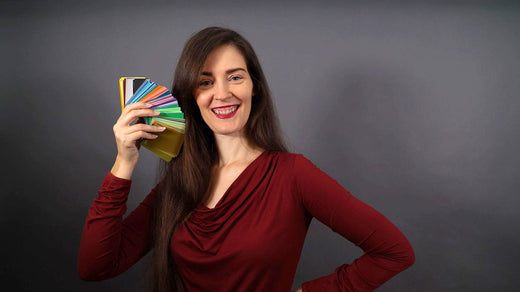
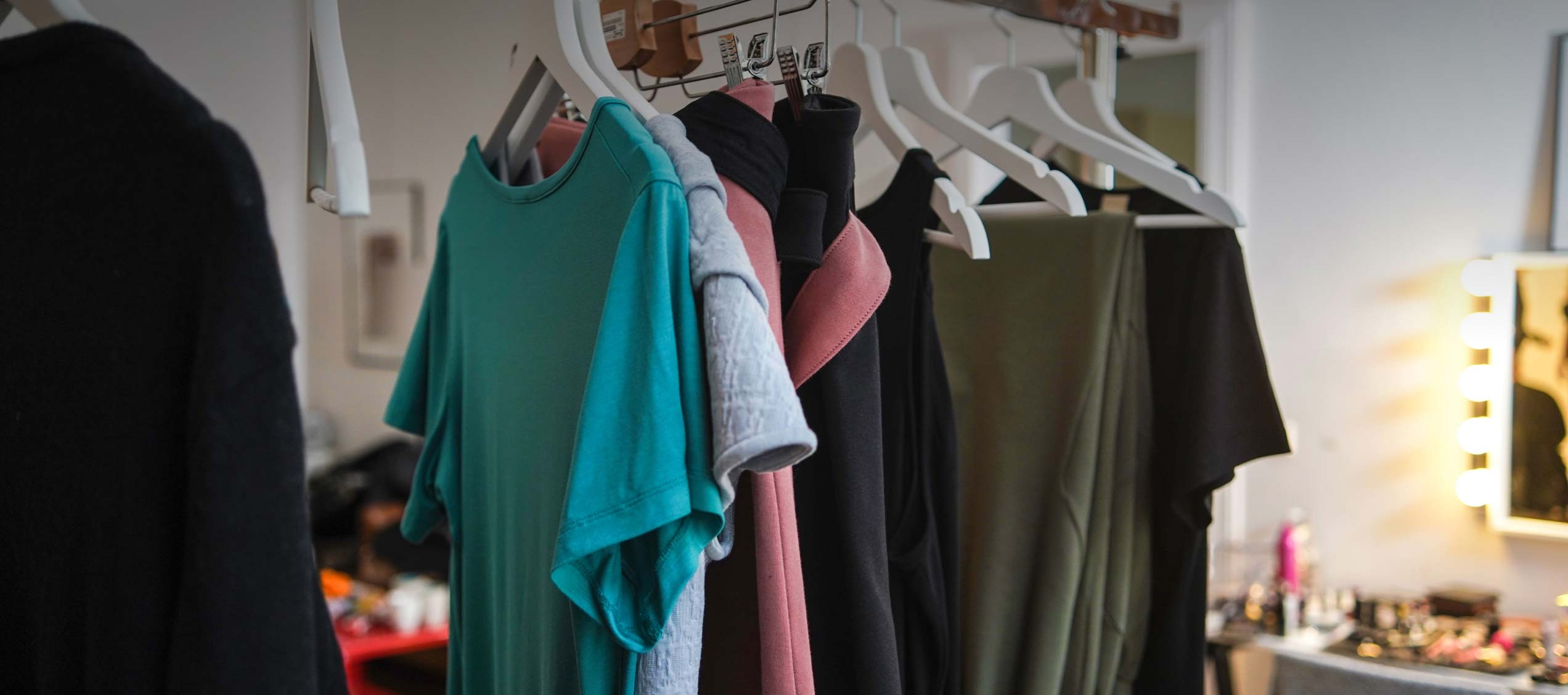
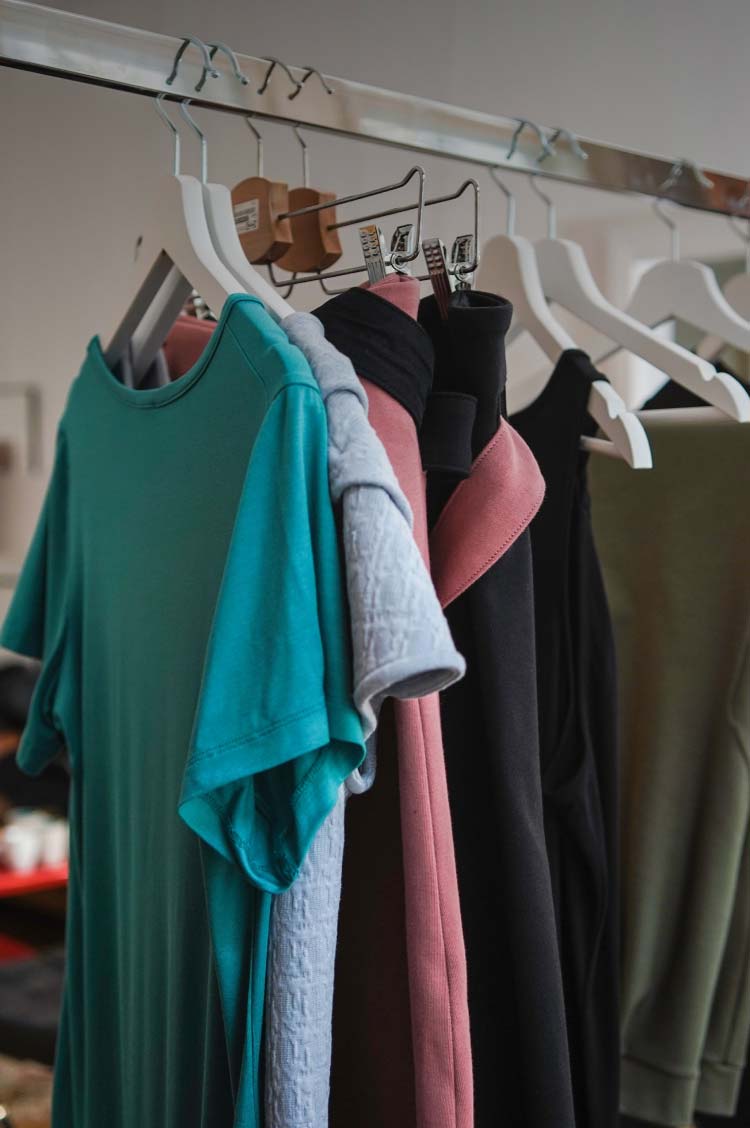
In a room full of men in black and navy suits, colour (even a considered, relatively muted one) is the easiest way to actually be seen. I'll often build a look in black, then break it up with one piece in a different tone or fabric rather than head-to-toe monochrome.
Note that I also don’t do head-to-toe bright pink, or head-to-toe baby blue, as these hues are heavily associated with women and therefore they do not give you the same “powerful aura” other hues can give you.
Power-dressing rule #3: add texture that isn't flat.
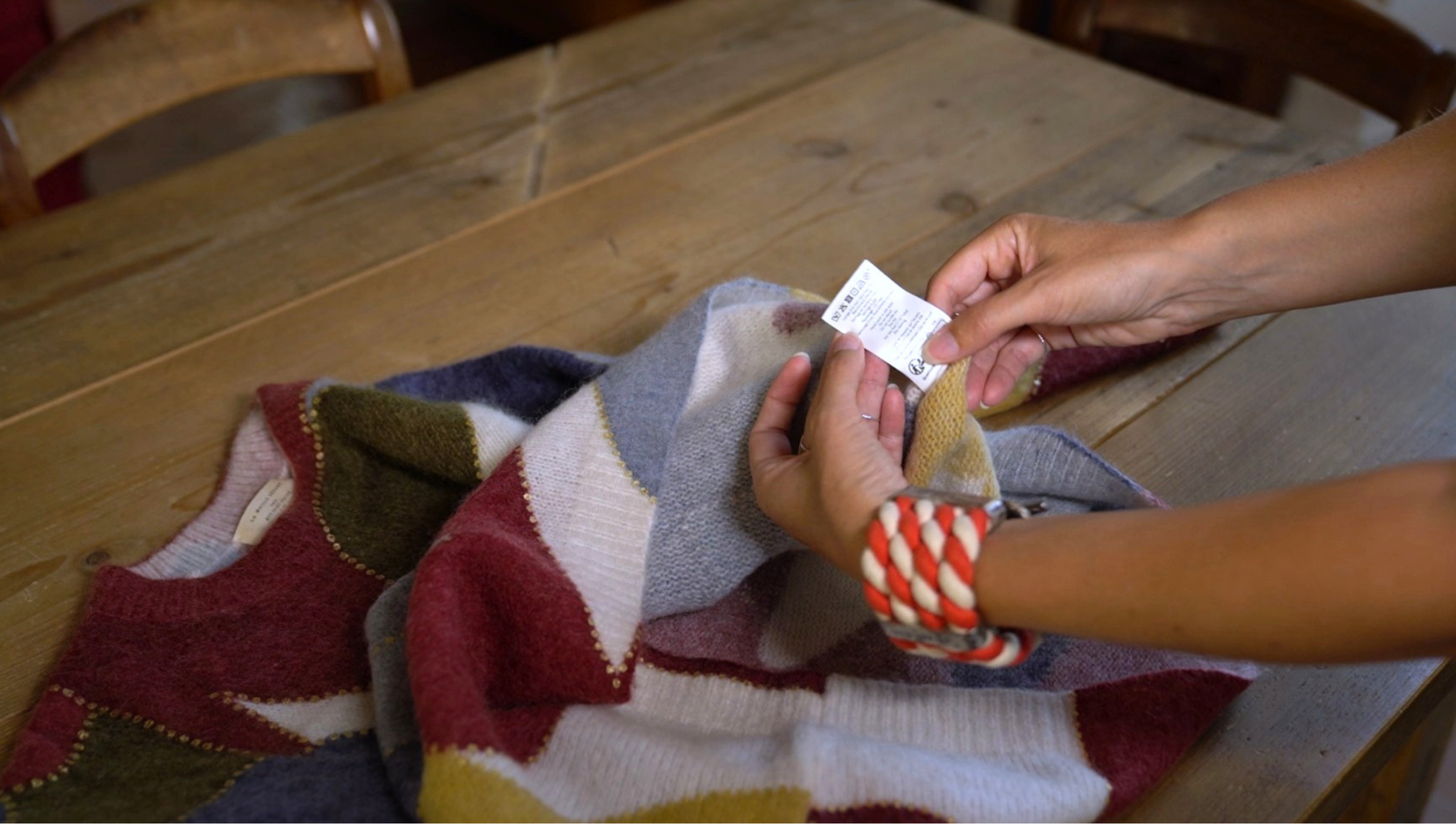
Knit, velvet, a subtle shine: anything that isn't simply smooth fabric. Texture is what makes an outfit look considered rather than being just a default choice.
Power-dressing rule #4: don't forget the accessories.
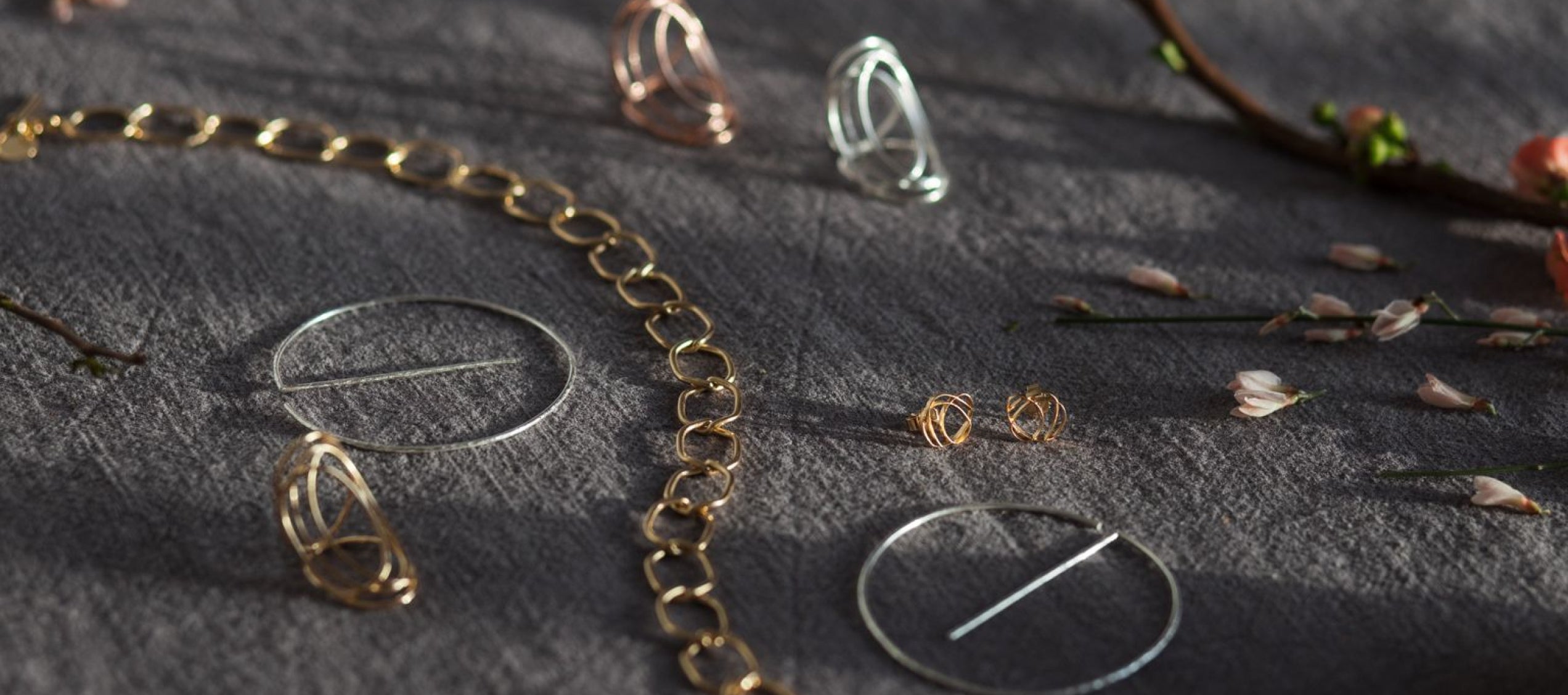
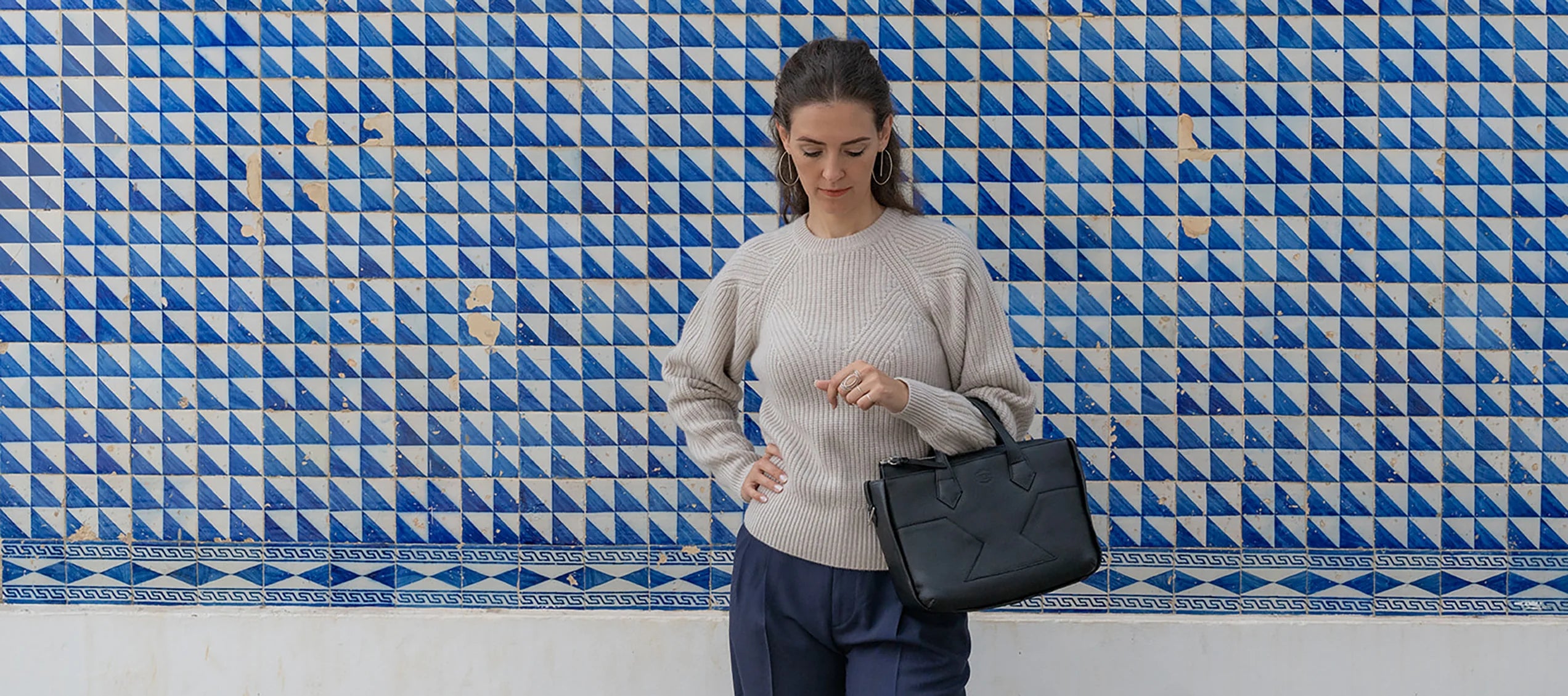
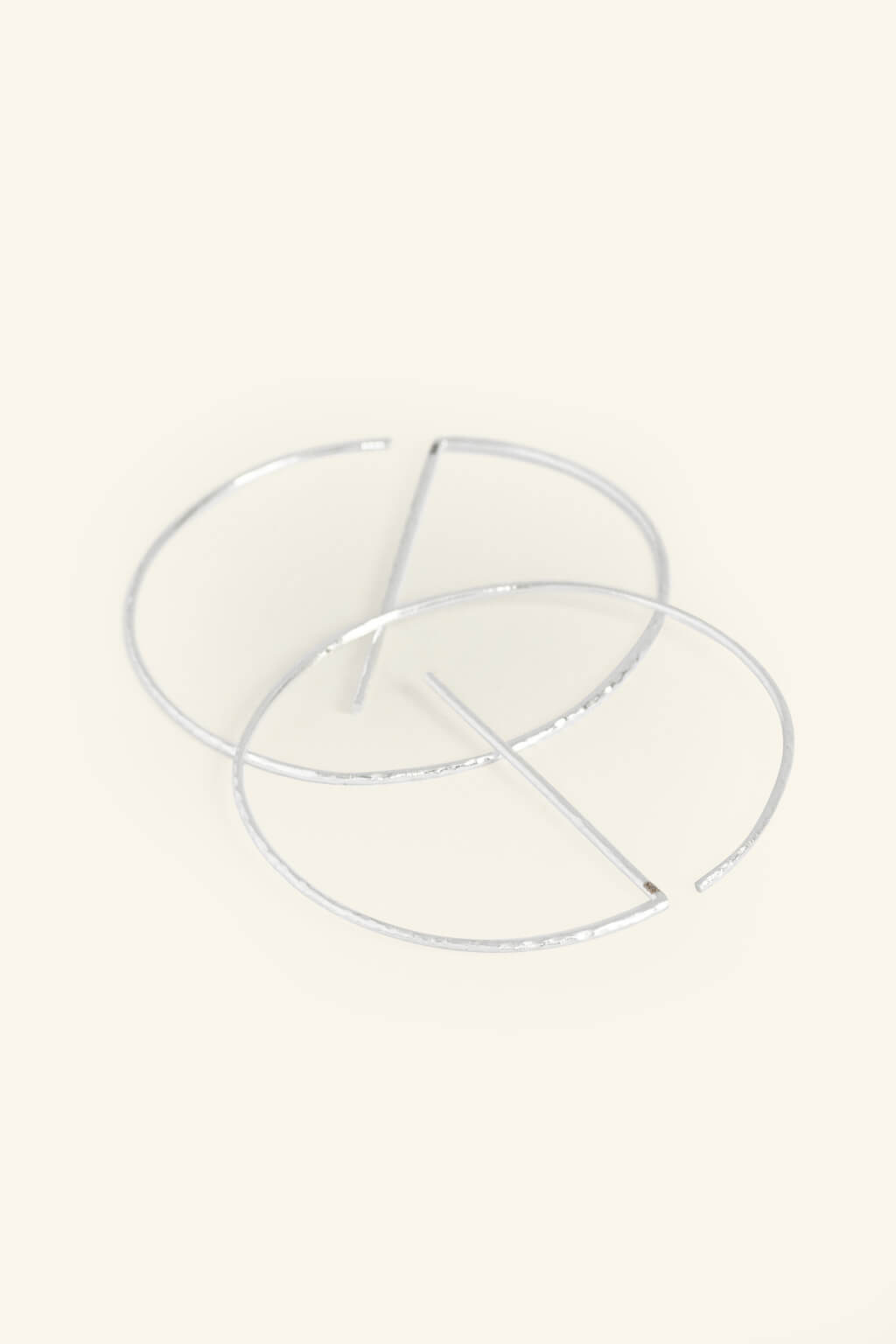
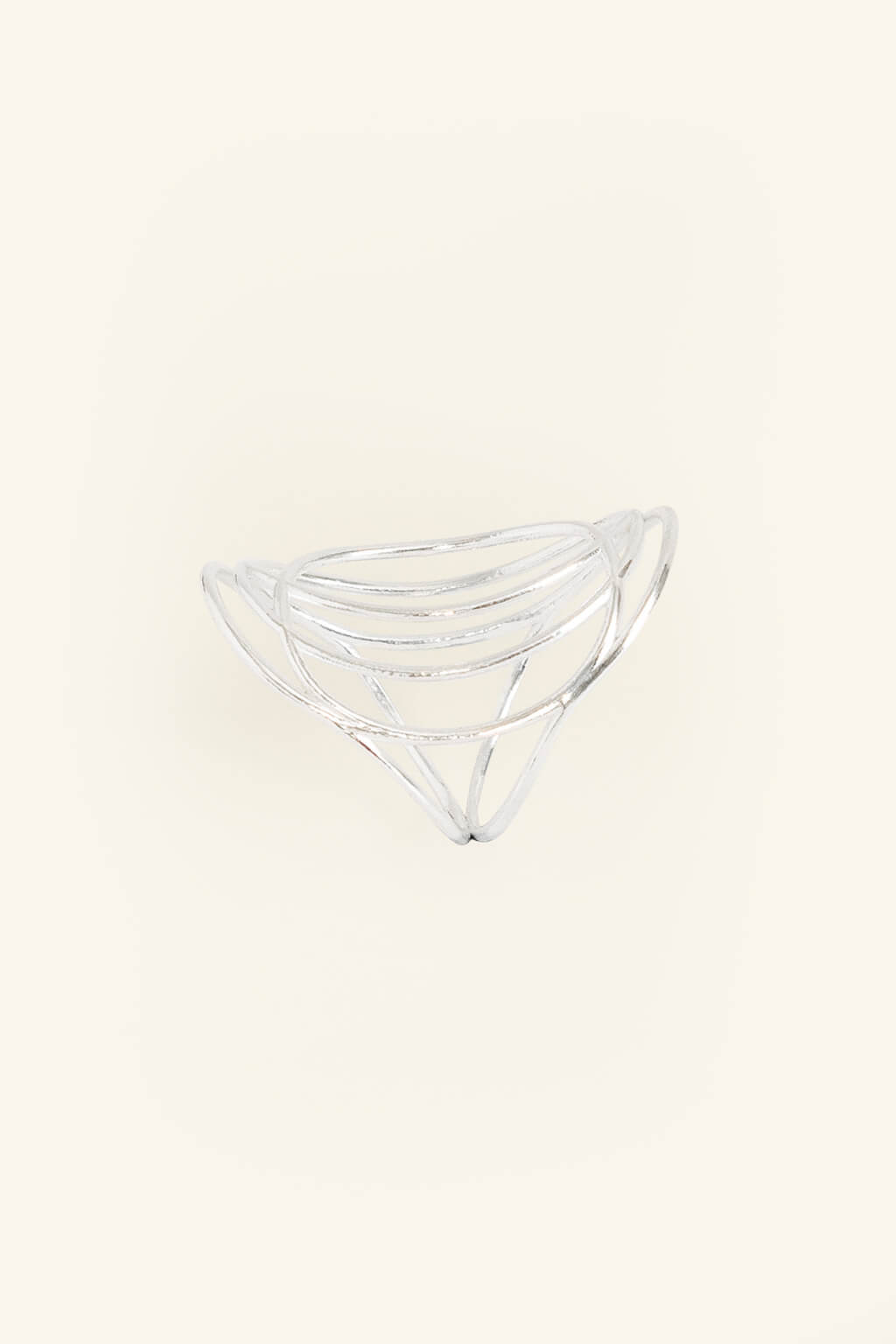
In a powerful outfit, I want my accessories to make a statement too. Nothing dainty. This is where I reach for my own Perfect Circle Earrings, in sterling silver, paired with a statement bracelet in the same metal tone, to dress up the arm as well as the ears.
Here's how those four rules play out in practice, across four different looks.
Look n°1 starts with black wool trousers: a crease line in front, pockets, and a cropped length (full-length trousers can read as an afterthought if the proportions aren't exact). I add an ivory top with neck drapery rather than a plain white shirt - intentionally not pure white, because black and white together is the easy, expected combination. Ivory softens it.
Depending on your shape and preference, you can tuck the top in, or leave it loose to show a bit more hip and waistline: neither is more "correct" than the other, it's a matter of preference. On the shoes: flat, but in satin, so they still catch the light rather than reading as basic. Choosing a colour close to (but not identical to) the top creates a visual harmony that looks curated rather than exactly matched.
Look n°2 swaps the top for a flowy, V-neck blouse, again avoiding pure white, and adds a double-breasted blazer with a marked waist. A defined waist reads sharper than a straight cut, in my opinion, and the length works well over trousers because it makes the whole silhouette leaner.
One fit tip worth saving: the shoulder seam of a blazer should land exactly at the edge of your shoulder. If it sits past your shoulder, the blazer is too big (unless it’s meant to be an oversized fit!). If it doesn't reach the edge, you need to size up. This one detail changes how "expensive" or "sharp" a blazer looks more than almost anything else. I did a whole video on how a blazer should fit.
I finish this look with feminine ankle boots in a heel that matches the trouser colour, which elongates the leg line, because women have far more shoe options than a men's power suit ever allowed for... and I like taking advantage of all these options.
Look n°3 moves into something more contemporary: a halter neck top in a fabric that genuinely feels good against the skin (this matters more than people think when you want to feel confident!), under a creative blazer shape with built-in shoulder structure, a side zipper, a marked waist with a soft fold at the front, and a small belt detail. Together, these create the architectural silhouette I described in rule n°1. This is the look I'd wear if the goal is to properly stand out in a boardroom, with a very formal dress code.
Look n°4 moves away from “mainly black”, into colour and texture. I replace the trousers with a knitted, below-the-knee pencil skirt (mine has a removable underskirt for opacity, which I appreciate having as an option). This look works with heels or with a sneaker that has enough presence to hold its own.
I'd avoid anything too delicate, like ballerina flats, here: with this much going on in the outfit already, the shoes need to make a statement too, not disappear.
Across all 4 looks, the through-line is the same: shape, colour, texture, accessories.
Not a checklist to follow rigidly, but 4 questions worth asking of any outfit you're building for a moment when you want to be taken seriously.
There is some research to back up why this matters beyond how an outfit looks in a mirror. Psychologists Hajo Adam and Adam Galinsky, in a fascinating 2012 study on what they called "enclothed cognition," found that the symbolic meaning we attach to clothing can measurably change how we think and perform, not just how we're perceived.
A few years later, researchers including Michael Slepian found that wearing more formal clothing shifted people towards more abstract, big-picture thinking.
In other words: what you wear to a high-stakes meeting isn't vanity, it changes how you show up in it!
*****
The “enclothed cognition” study: https://www.sciencedirect.com/science/article/abs/pii/S0022103112000200
The test where wearing formal clothes made people think more “big picture”: https://www.psychologicalscience.org/news/minds-business/when-clothing-style-influences-cognitive-style.html